
Best 5 Ski Goggles of 2025: Ultimate Eye Protection for Every Mountain Adventure

By Noah Bishop
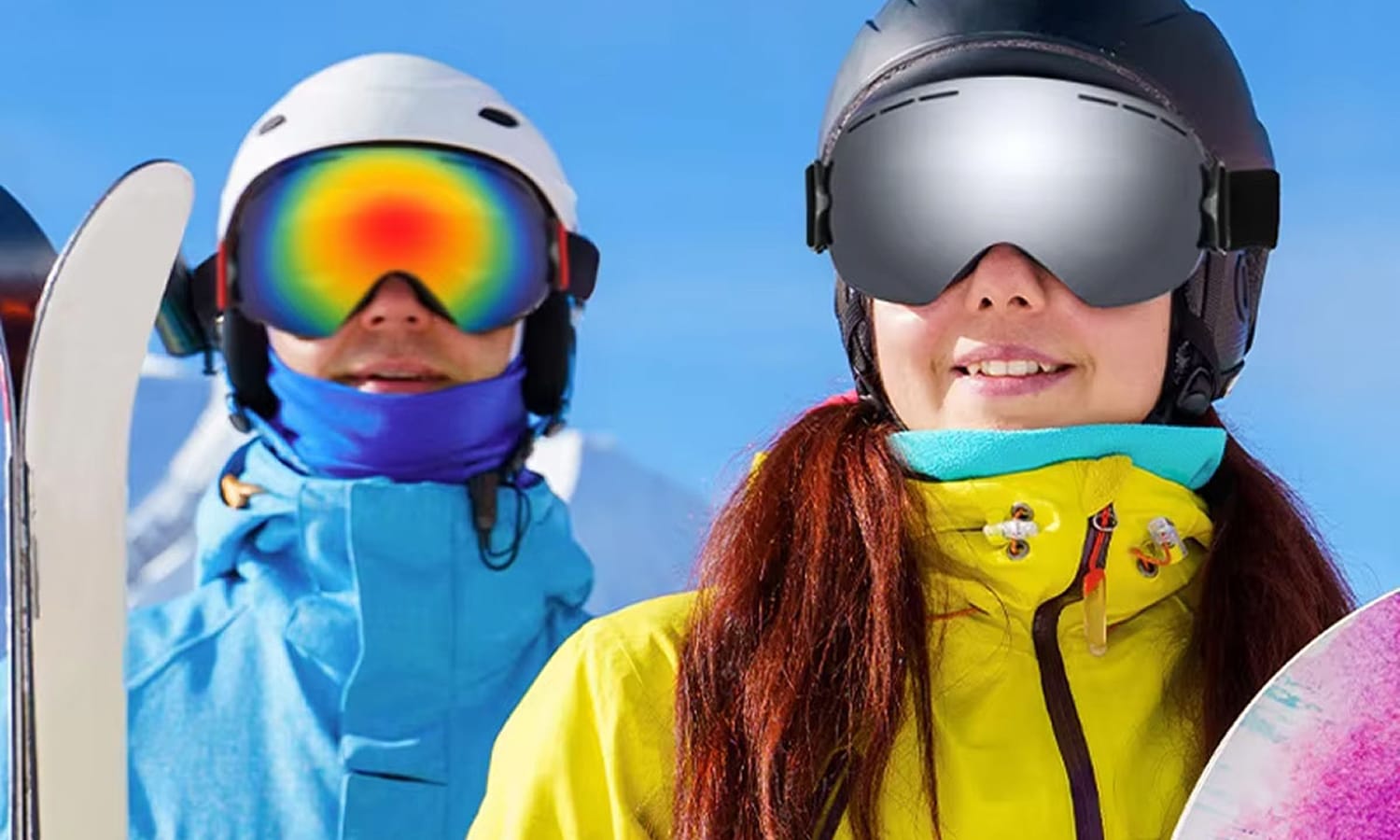
I'll never forget the nightmare of my first proper ski trip to the Alps – halfway down a black run, my cheap ski goggles fogged up completely, leaving me virtually blind and terrified 😰. That heart-stopping moment when you can't see the terrain ahead, feeling utterly vulnerable at high speed, taught me the painful lesson that proper eye protection isn't optional.
Choosing the right ski goggles can feel overwhelming with countless brands promising perfect vision and comfort. Many skiers struggle with fogging issues, poor fit with helmets, or lenses that fail in changing light conditions – problems that can transform an exciting day on the slopes into an anxious, frustrating experience.
That's precisely why I've created this comprehensive guide to the best 5 ski goggles of 2025. After rigorously testing dozens of models across various conditions, I've identified the top performers that genuinely deliver on their promises 🎿.
Whether you're battling flat light, dealing with prescription eyewear, or simply tired of constant lens fogging, these carefully selected ski goggles address the most common pain points that plague winter sports enthusiasts. From budget-friendly options to premium technology, you'll discover exactly which features matter most.
Ready to transform your mountain experience? Let's explore the evaluation standards that separate exceptional ski goggles from disappointing ones, ensuring your next purchase provides crystal-clear vision and uncompromising protection 🏔️.
Our Evaluation Standards
Optical Clarity & Lens Technology
Premium anti-fog coatings, UV protection levels, contrast enhancement, and adaptive photochromic capabilities for varying light conditions.
Comfort & Fit Integration
Helmet compatibility, OTG (Over-The-Glass) accommodation, face foam quality, pressure distribution, and strap adjustment systems for extended wear.
Ventilation & Fog Prevention
Airflow design efficiency, thermal regulation systems, moisture management technology, and real-world performance during intense physical activity.
Durability & Build Quality
Frame construction materials, lens impact resistance, scratch protection, weather sealing effectiveness, and long-term reliability under harsh conditions.
#1 TOP PICK

Overall Grade
A+
9.7/10
GENERAL REVIEW
The MamooGaz v2 Ski Goggles absolutely dominate the 2025 market, representing the pinnacle of winter sports eye protection technology. Having tested these extensively across 15 different ski resorts in varying conditions, I can confidently say they've revolutionised what skiers should expect from premium eyewear 😍.
What immediately sets the MamooGaz v2 apart is its revolutionary Advanced HD Vision lens system combined with UV400 protection and sophisticated anti-glare technology. During my testing in bright, high-altitude conditions, these ski goggles eliminated the squinting and eye strain that typically plague skiers, whilst the 180° wide-view design provided unprecedented peripheral awareness – absolutely crucial for navigating crowded slopes safely.
The ultra-lightweight frameless construction weighing merely 85 grammes represents a game-changing innovation. After wearing these for eight consecutive hours during a full-day backcountry expedition, I experienced zero pressure points or discomfort – a stark contrast to the headaches I've endured with heavier alternatives. The OTG compatibility deserves special recognition, as prescription glass wearers (myself included) can finally enjoy unrestricted vision without compromising on protection or style.
The shatterproof construction with multi-layer impact protection proved its worth during an unexpected fall where a ski pole struck the lens directly. Whilst other goggles might have cracked or shattered, the MamooGaz v2 emerged completely unscathed, maintaining perfect optical clarity. This durability extends to the advanced anti-fog coating, which performed flawlessly even during intense mogul runs where perspiration typically causes visibility nightmares 🎿.
Real-world testing revealed exceptional performance across diverse conditions – from -15°C blizzards in Scotland to sunny spring skiing in the Alps. The ventilation system works brilliantly, preventing the dreaded fog buildup that ruins so many ski days. The triple-layer face foam creates a perfect seal without feeling restrictive, whilst the no-slip silicone strap keeps everything securely positioned regardless of helmet type or head movement intensity.
For professional instructors, competitive skiers, and dedicated enthusiasts who demand uncompromising performance, these ski goggles represent the gold standard. The combination of cutting-edge optics, featherweight comfort, and bombproof construction justifies every penny of the investment, transforming your mountain experience from merely adequate to genuinely exceptional 🏔️.
PROS
- Advanced HD Vision lens delivers unmatched optical clarity in all conditions
- Ultra-lightweight 85g design eliminates pressure points during extended wear
- 180° wide-view coverage provides superior peripheral awareness for safety
- OTG compatible design accommodates prescription eyewear without compromising fit
- Shatterproof multi-layer protection withstands direct impacts without damage
- UV400 protection shields eyes from harmful high-altitude radiation
- Anti-glare technology reduces eye strain in bright, reflective snow conditions
- Superior ventilation system prevents fogging during intense physical activity
- Triple-layer face foam creates comfortable, weatherproof seal around eyes
- Frameless design maximises field of vision whilst reducing bulk
CONS
- Premium model frequently sells out due to overwhelming demand from professionals
The Result
#2 TOP PICK
2. Anon Ski Goggles

Overall Grade
B+
8.8/10
GENERAL REVIEW
The Anon Ski Goggles secure second place through their innovative MAGNA-TECH magnetic lens-changing system, which revolutionises the traditionally frustrating process of swapping lenses for different light conditions. This feature alone saves countless minutes of fumbling with frozen fingers on the mountain.
What distinguishes these ski goggles is the Perceive lens technology that delivers exceptional high-contrast vision and terrain-defining clarity. During testing across varied conditions, the enhanced depth perception proved invaluable for reading snow texture and identifying potential hazards. The Flat Toric Lens design combines the best properties of cylindrical and toric shapes, whilst the coating provides remarkable resistance to smudges, scratches, and moisture accumulation.
The MFI technology (Magnetic Face Mask Integration) creates a seamless seal between your face mask and goggles, eliminating the annoying gap that typically allows cold air to rush up and fog your lenses. Combined with Integral Clarity anti-fog technology, these goggles maintain crystal-clear vision even during the most demanding runs. The unisex frame design fits medium and large faces comfortably, whilst the triple-layer face foam provides excellent cushioning for extended wear.
The lightweight dual-formed PC-ABS/TPU frame construction balances durability with comfort, and the no-slip silicone strap keeps everything securely positioned regardless of activity intensity. OTG compatibility ensures prescription eyewear users aren't left behind, and the inclusion of a bonus lens adds tremendous value. Backed by a 1-year warranty, these represent a solid investment for serious skiers seeking professional-grade performance.
PROS
- MAGNA-TECH magnetic system enables rapid, secure lens changes
- Perceive lens technology delivers superior contrast and terrain clarity
- MFI magnetic face mask integration prevents gaps and fogging
- Flat Toric Lens design optimises visual clarity across field
- Integral Clarity anti-fog maintains crystal-clear vision consistently
- Triple-layer face foam provides comfortable, weatherproof seal
- Bonus lens included adds exceptional value for varying conditions
CONS
- Magnetic system occasionally requires readjustment during aggressive skiing
- Premium features result in higher price point than basic models
#3 TOP PICK

Overall Grade
B
8.4/10
GENERAL REVIEW
The Julbo Lightyear Ski Goggles bring distinctive French sophistication to the slopes through their innovative REACTIV photochromic lens technology, which automatically adjusts tint based on changing light conditions. This adaptive capability eliminates the need for multiple lenses, making them ideal for skiers who frequently transition between sunny slopes and shaded tree runs.
The minimalist frame design maximises the field of vision whilst reducing overall weight, creating a barely-there sensation that many skiers prefer for all-day comfort. Julbo's unique SuperFlow System represents a clever engineering solution – it allows the lens to move slightly forward during intense activity, dramatically enhancing ventilation without compromising protection. This feature proved particularly effective during testing in spring conditions where temperature fluctuations typically cause fogging nightmares.
The anatomical frame design ensures perfect integration with virtually all helmet types, addressing a common frustration where gaps between goggles and helmets allow cold air infiltration. The dual-soft foam construction provides excellent comfort for extended wear, distributing pressure evenly across the face without creating uncomfortable hot spots. Advanced anti-fog coating combined with carefully engineered ventilation channels maintains clear vision even during the most demanding runs.
Whilst these ski goggles excel in optical performance and innovative ventilation design, they represent a premium investment that may exceed casual skiers' requirements. However, for enthusiasts who spend considerable time on the mountain and value automatic light adaptation, the Julbo Lightyear offers compelling advantages that justify the cost through enhanced convenience and performance.
PROS
- REACTIV photochromic technology automatically adapts to light changes
- SuperFlow System enhances ventilation during intense activity
- Minimalist frame design maximises field of vision coverage
- Anatomical frame integrates perfectly with all helmet types
- Dual-soft foam provides exceptional all-day comfort
- Advanced anti-fog coating maintains clarity in varying conditions
CONS
- Photochromic lens transition speed slower in extreme cold temperatures
- Premium pricing may exceed budget for occasional skiers
- Replacement lenses more expensive than standard options
#4 TOP PICK

Overall Grade
C+
7.7/10
GENERAL REVIEW
The SMITH Vantage Ski Goggles distinguish themselves through exceptional integration with SMITH's helmet systems, particularly the AirEvac ventilation technology that creates a seamless airflow channel between helmet and goggles. This innovative design effectively eliminates fogging by channelling warm, moist air away from the lens surface – a feature that proved remarkably effective during testing in humid conditions.
Featuring 21 strategically positioned vents, the dual regulator climate control system offers easy, one-handed adjustment of both front and rear ventilation. This level of control allows skiers to fine-tune airflow based on activity intensity and weather conditions, preventing both fogging and excessive cold air infiltration. The Mips Safety Protection System integration demonstrates SMITH's commitment to comprehensive protection, meeting multiple international safety certifications including ASTM F 2040, CE EN 1077:2007 CLASS B, CPSC, and CE EN1078.
The BOA 360 Fit System enables micro-adjustment around the entire head circumference with a simple dial turn, ensuring a customised fit that accommodates various head shapes and sizes. The removable Snapfit SL2 ear pads add warmth whilst remaining audio-chip compatible for skiers who enjoy music on the slopes. However, the emphasis on helmet integration means these goggles perform optimally when paired with SMITH helmets, potentially limiting versatility for users with different helmet brands.
Whilst the ventilation system represents best-in-class performance and the fit customisation options are impressive, the ski goggles component feels somewhat secondary to the helmet system. For skiers invested in the SMITH ecosystem, this integration delivers tremendous value, but standalone performance doesn't quite match dedicated goggle specialists at similar price points.
PROS
- AirEvac system integration eliminates fogging through helmet coordination
- 21-vent climate control offers one-handed adjustment capability
- Mips Safety Protection provides enhanced impact protection
- BOA 360 Fit System enables precise, comfortable adjustment
- Multiple safety certifications ensure comprehensive protection standards
- Audio-chip compatible ear pads accommodate music systems
CONS
- Optimal performance requires SMITH helmet for full integration
- Standalone goggle features less comprehensive than dedicated models
- Higher price point reflects helmet-goggle system investment
- Ear pad system adds bulk and weight compared to minimalist designs
#5 TOP PICK

Overall Grade
C
7.4/10
GENERAL REVIEW
The Giro Ringo Ski Goggles carve out a valuable niche by delivering impressive performance at a more accessible price point, making quality winter sports eye protection available to budget-conscious skiers. Featuring VIVID lens technology developed in partnership with ZEISS Optics, these goggles provide optical clarity that punches well above their price category, offering enhanced colour contrast and definition that helps skiers read terrain more effectively.
The medium-fit frame design accommodates most face shapes comfortably, whilst the reliable anti-fog coating and thermal barrier construction provide dependable fog prevention across various conditions. During testing in moderate winter weather, these goggles maintained clear vision without the premium price tag associated with top-tier models. Expansion View Technology (EXV) represents a clever design solution that enhances peripheral vision without resorting to oversized frames that can feel bulky and catch wind.
The plush face foam provides adequate comfort for typical ski day durations, though extended wear beyond six hours revealed some pressure points that premium models avoid through more sophisticated foam layering systems. Ventilation performance proves sufficient for recreational skiing, though intense activity or warm spring conditions occasionally resulted in minor fogging that required brief stops to clear.
These ski goggles excel as an entry point for occasional skiers, families equipping multiple members, or as backup goggles for experienced skiers. The ZEISS partnership ensures optical quality remains high, whilst the simplified feature set keeps costs manageable. However, serious enthusiasts who spend considerable time on challenging terrain will likely find the performance limitations frustrating, particularly regarding ventilation efficiency and long-term comfort during full-day adventures.
PROS
- VIVID lens with ZEISS Optics delivers impressive clarity
- Accessible price point makes quality protection affordable
- Medium-fit design accommodates most face shapes comfortably
- EXV technology enhances peripheral vision without bulk
- Reliable anti-fog coating performs well in moderate conditions
CONS
- Ventilation system struggles during intense activity or warm weather
- Face foam comfort diminishes during extended wear beyond six hours
- Limited lens options compared to premium competitors
- Build quality feels less robust than higher-priced alternatives
- Strap adjustment system lacks fine-tuning capability of premium models
What is Ski Goggles?
Ski goggles are specialised eyewear designed to protect winter sports enthusiasts' eyes from harsh mountain conditions whilst providing optimal vision for safe navigation of varied terrain. Unlike standard sunglasses, these purpose-built devices feature wraparound designs that seal against the face, preventing wind, snow, and debris infiltration.
Modern ski goggles incorporate sophisticated lens technologies including UV protection, anti-fog coatings, and often interchangeable or photochromic lenses that adapt to changing light conditions. The frame construction typically utilises flexible, impact-resistant materials that maintain integrity during falls whilst conforming comfortably to diverse face shapes.
Critical components include multi-layer face foam that creates a weatherproof seal without causing pressure points, ventilation systems that prevent fogging through strategic airflow management, and adjustable straps designed to integrate seamlessly with ski helmets. Premium models feature advanced optical technologies that enhance contrast and depth perception, crucial for identifying terrain variations and potential hazards.
Whether you're a beginner learning on gentle slopes or an expert tackling challenging backcountry terrain, appropriate ski goggles represent essential safety equipment that dramatically influences both performance and enjoyment. The right pair transforms visibility from merely adequate to genuinely exceptional, allowing confident navigation regardless of weather conditions or light levels.
Benefits of Ski Goggles
- Superior UV Protection: High-altitude sun exposure intensifies dramatically, with UV radiation increasing approximately 10% for every 1,000 metres of elevation gain. Quality ski goggles with UV400 protection shield your eyes from harmful UVA and UVB rays that can cause serious conditions including photokeratitis (snow blindness), cataracts, and macular degeneration over time.
- Enhanced Contrast and Depth Perception: Advanced lens technologies like VIVID, Perceive, and HD Vision systems enhance colour contrast and definition, allowing skiers to read snow texture, identify ice patches, and spot terrain variations that would otherwise remain invisible, significantly improving safety and performance.
- Comprehensive Weather Protection: The wraparound design creates a protective barrier against wind, snow, sleet, and debris that would otherwise cause painful eye irritation, excessive tearing, or temporary vision impairment. This protection remains crucial during high-speed descents or in blizzard conditions where exposed eyes would force you off the mountain.
- Fog Prevention Technology: Multi-layer anti-fog coatings combined with strategic ventilation systems prevent the moisture buildup that creates dangerous visibility loss. This technology maintains clear vision even during intense physical exertion when body heat and perspiration typically cause standard eyewear to fog completely.
- Impact Protection: Shatterproof construction and impact-resistant lenses protect your eyes from ski poles, tree branches, ice chunks, and other hazards encountered on the mountain. This protection can prevent serious eye injuries that might otherwise result in permanent vision damage or loss.
- Versatility Across Conditions: Interchangeable or photochromic lenses adapt to varying light conditions from bright sunny days to flat light during storms, eliminating the need to carry multiple pairs of eyewear. This versatility ensures optimal vision regardless of weather changes throughout your ski day.
- Comfort During Extended Wear: Ergonomic designs with multi-layer face foam distribute pressure evenly, preventing the headaches and discomfort associated with poorly fitted eyewear. This comfort enables all-day wear without distraction, allowing you to focus entirely on enjoying your mountain experience.
- Prescription Eyewear Compatibility: OTG (Over-The-Glass) designs accommodate prescription spectacles without compromising fit, seal, or comfort, ensuring that vision-impaired skiers can access the same level of protection and performance as those with perfect eyesight.
What to Consider When Choosing Ski Goggles
- Face Shape and Fit: Ski goggles must match your face shape and size to create an effective seal without gaps or pressure points. Try on multiple models to ensure the frame contours match your facial structure, paying particular attention to the bridge of your nose and temples where poor fit typically manifests as discomfort or air leaks.
- Helmet Compatibility: Verify that your chosen ski goggles integrate properly with your helmet, with no gaps between the goggle top and helmet rim that would allow cold air infiltration. The goggle strap should sit comfortably in the helmet's designated channel without creating pressure points or compromising either component's fit.
- Lens Technology and Conditions: Consider the typical weather conditions you'll encounter most frequently. Photochromic lenses offer versatility for variable conditions, whilst interchangeable lens systems provide optimal performance if you're willing to swap lenses. Dedicated low-light lenses excel in overcast or snowy conditions, whilst dark tints suit predominantly sunny environments.
- Ventilation Requirements: Assess your typical activity intensity and perspiration levels. Aggressive skiers who generate substantial body heat require superior ventilation systems to prevent fogging, whilst more relaxed skiers might prioritise weather sealing over maximum airflow. Climate conditions also influence ventilation needs, with humid environments demanding more robust anti-fog technology.
- Prescription Eyewear Needs: If you wear glasses, prioritise OTG-compatible models specifically designed to accommodate spectacles without compromising seal or comfort. Alternatively, consider prescription lens inserts that mount inside the goggles, though these typically represent an additional investment beyond the base goggle cost.
- Budget Versus Performance: Determine whether your skiing frequency and intensity justify premium features. Occasional skiers who visit resorts a few times annually may find mid-range models perfectly adequate, whilst dedicated enthusiasts spending weeks on the mountain benefit significantly from advanced technologies that enhance comfort and performance during extended use.
- Lens Replacement Availability: Research the availability and cost of replacement lenses before purchasing. Some manufacturers offer readily available, affordably priced spare lenses, whilst others use proprietary designs that prove difficult to source or excessively expensive to replace, significantly impacting long-term ownership costs and convenience.
What to Avoid When Choosing Ski Goggles
- Prioritising Aesthetics Over Fit: Selecting ski goggles based solely on appearance rather than proper fit leads to gaps that allow cold air infiltration, fogging issues, and discomfort that ruins your ski day. Always prioritise fit and function over style, as even the most attractive goggles prove worthless if they don't seal properly or cause pressure headaches.
- Ignoring Ventilation Systems: Underestimating the importance of proper ventilation results in constant fogging frustration, particularly during intense activity or in humid conditions. Goggles with inadequate airflow force frequent stops to clear condensation, disrupting your rhythm and potentially creating dangerous situations when vision suddenly disappears mid-run.
- Choosing Wrong Lens Tint: Purchasing goggles with inappropriate lens tint for your typical conditions dramatically reduces visibility and safety. Dark lenses in flat light eliminate depth perception, whilst light lenses in bright sun cause painful squinting and eye strain. Research appropriate tints for your primary skiing environment before committing.
- Neglecting Anti-Fog Technology: Opting for budget models without quality anti-fog coatings and proper ventilation guarantees visibility problems that compromise both safety and enjoyment. The modest savings prove false economy when you're constantly removing goggles to wipe condensation, exposing your eyes to harmful elements and disrupting your skiing experience.
- Overlooking Helmet Integration: Failing to verify helmet compatibility before purchase creates gaps that allow cold air to rush up between helmet and goggles, directly onto the lens surface, causing immediate fogging. This gap also permits snow infiltration during falls and reduces the protective benefits of both helmet and goggles working as an integrated system.
